November 19, 2025
Guide To Ski Mountaineering (Skimo) Racing

Ski mountaineering racing, better known as skimo, is one of the most rewarding winter endurance sports on the planet. It blends the aerobic engine of trail running, the rhythm of uphill hiking, the precision of technical skiing, and the quiet satisfaction of moving through winter mountains under your own power.
If you’ve ever watched skimo athletes glide uphill in perfect rhythm or fly downhill on impossibly light skis, you might have wondered: How do they make it look so smooth? Or maybe you’re simply a trail runner or cyclist searching for a winter outlet that builds fitness, keeps things fun, and connects you to the mountains in a new way.
Skimo can look intimidating from the outside — the sleek race suits, the fast transitions, the tiny skis — but at its heart, it’s a simple sport: climb up, transition, ski down, repeat. Like most mountain disciplines, the barrier to entry feels higher than it actually is. With the right guidance, a thoughtful progression, and a focus on joy and long-term growth, anyone can step into skimo.
Before we dive into gear, training, technique, and how to choose your first race, we’ll start with the basics.
What Is Ski Mountaineering (Skimo) Racing?
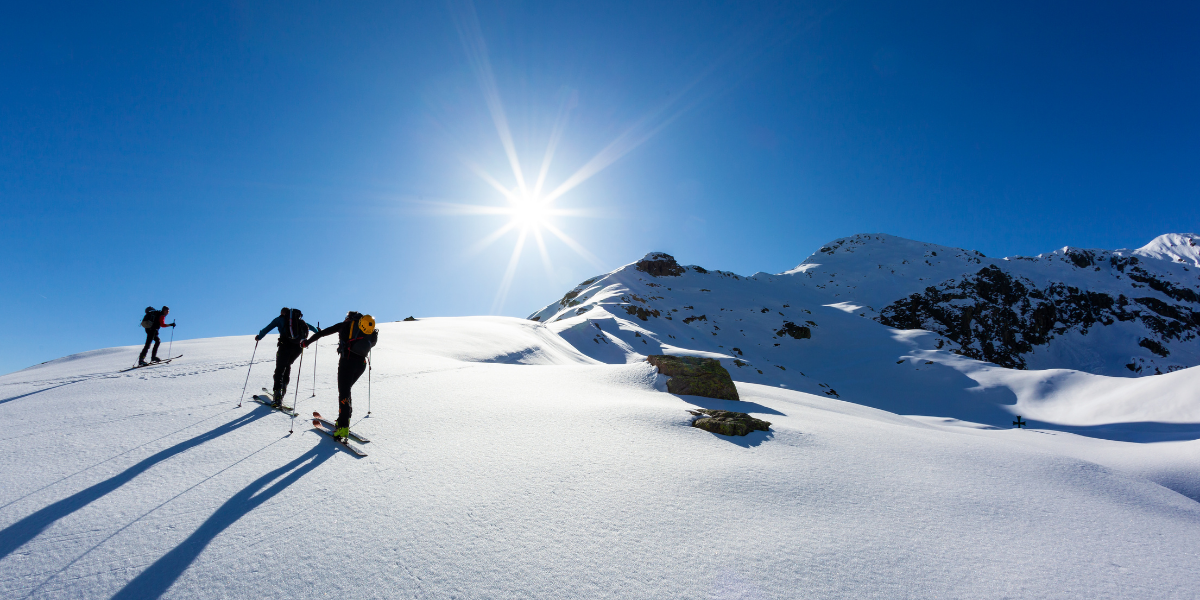
Skimo racing is a timed endurance sport where athletes climb and descend snow-covered mountains using specialized gear that allows efficient movement in both directions. Uphill travel is done with skinning — skis with climbing skins attached — and steep sections may require bootpacking with skis on your back. Downhill sections are skied just like alpine or backcountry skiing, but the gear is lighter, narrower, and designed for speed and efficiency.
If you’re coming from trail running or cycling, think of skimo as the winter equivalent of a mountain race with climbs, descents, gear changes, and technical terrain — only on snow.
Most races take place at ski resorts or in controlled mountain environments. The courses vary widely, but all combine three core skills: uphill efficiency, fast transitions, and confident descending.
Races are typically between 3 minutes (Olympic sprint) and several hours (individual races or big mountain team events).
Skimo also differs from recreational ski touring. While touring prioritizes exploration and safety, skimo is about speed and rhythm. You still need mountain sense, but the focus is on performance, pacing, and efficiency.
Why Skimo Is Growing So Fast
Skimo has exploded in popularity across Europe and North America for several reasons:
1. It’s Becoming an Olympic Sport
Skimo will make its Olympic debut at the Milano–Cortina 2026 Winter Games with sprint and mixed relay events. This has brought renewed attention to the sport, especially among young endurance athletes looking for a new challenge.
2. It’s a Perfect Winter Cross-Training Sport
Trail runners, road runners, cyclists, and ultra athletes are discovering that skimo keeps their aerobic fitness high through winter while reducing impact stress. It’s a natural fit for anyone who loves climbing, long days, and technical movement.
3. It’s Accessible at Multiple Levels
Skimo looks hardcore, but beginners can start with:
- Light touring skis
- A resort race series
- Vertical-only races
- Intro clinics and local club nights
You don’t need a full race kit to begin. Many athletes enter their first race on their touring setup and gradually upgrade only if they fall in love with the sport.
4. It Builds a Deep Sense of Community
Skimo races — especially local weeknight events — are known for their friendly, welcoming culture. Beginners mix with elite athletes.
Everyone encourages each other. The vibe feels more like a big group workout than a high-pressure competition.
At Microcosm Coaching, we see skimo as a perfect expression of what we value: joy, curiosity, long-term development, and community support.
Skimo helps athletes stay connected to their bodies and the mountains during winter in a way few sports can.
Skimo Race Formats Explained
Skimo racing comes in several distinct formats, each with its own feel and rhythm. Understanding these helps you see where your strengths fit and which style might make the best entry point into the sport.
Sprint
The sprint is the shortest and most explosive format in skimo. Most races last only a few minutes but pack in all the core elements: a quick skin climb, a bootpack section, a fast transition, and a short descent.
Because the format rewards precision and efficiency, it’s a favorite among elite athletes and will be one of the featured events in skimo’s Olympic debut.
Despite the intensity, sprints are fun to watch and exciting to try once you’re comfortable with transitions.
Vertical
A vertical race is the simplest format: it’s entirely uphill. There are no descents, no transitions, and no technical features beyond maintaining a steady climb. For athletes coming from running, hiking, or cycling, this format feels familiar and accessible.
It’s often the first race people try because the demands are straightforward and confidence on the descent isn’t required.
Individual
The individual race is the classic skimo experience. These events involve multiple climbs and descents, bootpack sections, and a variety of snow conditions.
They typically last between one and three hours and offer the full range of skills the sport demands — pacing on long climbs, efficient transitions, steady technical skiing, and adaptability across changing terrain.
If you picture “mountain endurance racing on skis,” the individual format is exactly that.
Teams and Relays
Team races are a longstanding tradition in European skimo. Athletes move together through long, technical mountain courses, sharing the effort and navigating ascents and descents as a unit.
Relays, on the other hand, are fast, energetic events where skiers complete short laps before tagging the next teammate.
Both formats bring a strong sense of camaraderie — something that’s already deeply rooted in the sport.
Which Format Is Best for Beginners?
Vertical races and shorter resort-based individual races tend to be the best starting points. They’re predictable, controlled, and beginner-friendly.
As you gain confidence with transitions and descending, the other formats start to feel more inviting. Intermediate and advanced skiers often enjoy the complexity of longer individual races or the excitement of team-based events.
Is Skimo for You? A Friendly Reality Check
Skimo might look intimidating from the outside — the gear, the outfits, the speed — but it’s far more approachable than it seems.
You do not need to be an expert skier, a mountaineer, or an elite endurance athlete to enter your first race.
Many participants come from trail running, road running, cycling, Nordic skiing, or recreational backcountry touring.
What matters most is whether you enjoy climbing, endurance efforts, and learning new movement patterns.
Skimo rewards rhythm and efficiency more than brute strength. It gives you a way to stay connected to the mountains in winter, even when dirt trails and cycling routes are buried under snow.
You might fall in love with the quiet rhythm of a skin track, the problem-solving of transitions, or the feeling of descending light skis after a solid climb.
You might simply appreciate having a winter training outlet that doesn’t trap you indoors. Whatever draws you in, skimo accommodates a wide range of motivations.
The qualities that matter most aren’t extreme fitness or technical mastery — they’re curiosity, patience, and a willingness to practice.
If you enjoy challenge, learning, and winter mountain environments, skimo is almost certainly a great fit for you.
The Gear You Need for Skimo
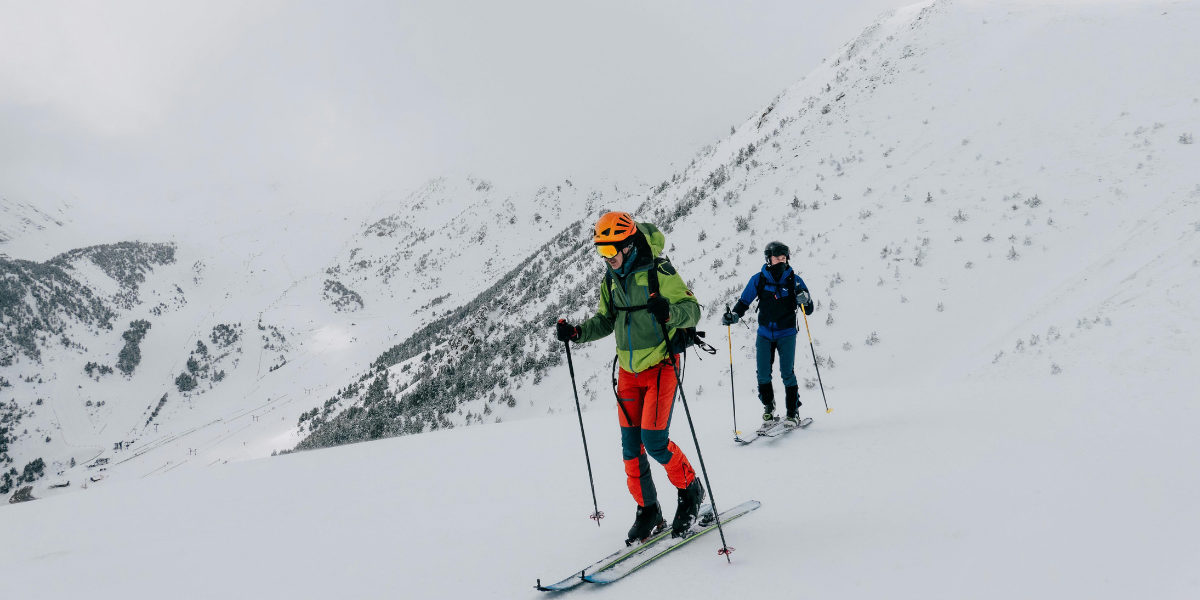
Skimo gear looks intimidating at first, but you don’t need a full race setup to begin. Many athletes start with the gear they already have and upgrade only after they fall in love with the sport. That said, understanding the differences helps you choose equipment wisely.
Skis, Boots, and Bindings
Skimo skis are designed for efficiency and speed. They’re lighter and narrower than typical backcountry touring skis, often weighing a fraction of what many ski tourers are used to.
The boots follow the same philosophy: very light, flexible in walk mode, and surprisingly stiff for the descent. Race bindings are minimalist tech bindings, built to transition quickly without sacrificing safety.
If you’re brand new and using your touring setup, don’t worry. Yes, it’s heavier, but it’s also more stable on descents and very forgiving. Most beginner-friendly resort races welcome heavier setups, and many athletes finish their first season without race gear.
As your skills and confidence grow, you may choose to lighten your setup — not because you “have to,” but because it makes the sport feel even more fluid and fun.
Skins and Poles
Skins give your skis grip on the climb. For skimo, most athletes use mohair or mohair-blend skins because they glide better and feel smoother on uphill terrain.
Race skins are thinner and faster, but they can feel less forgiving for beginners. Start with whatever skins you already own; just make sure they’re trimmed well and glide efficiently.
Pole length can be slightly longer than alpine poles — more like Nordic ski poles — which helps maintain rhythm and efficiency on long climbs.
But again, start with what you have. You’ll learn what you prefer with more time on the snow.
Clothing and Layering
Skimo generates heat quickly. Beginners often overdress, only to find themselves sweating and uncomfortable minutes into a climb. Choose breathable, moisture-wicking layers and embrace the skimo mantra: “Be bold, start cold.”
Lightweight gloves, a hat, and a thin buff are invaluable. If you’re racing at a resort, most events require at least a helmet. Backcountry races require more safety gear, which we’ll cover later.
Do You Need Avalanche Gear?
Resort-based races usually do not require avalanche equipment. Backcountry races will specify required gear, which may include a beacon, shovel, probe, rescue blanket, and an insulating layer. Always read race rules carefully.
How Skimo Courses Work: Climbs, Transitions, and Descents
The Uphill
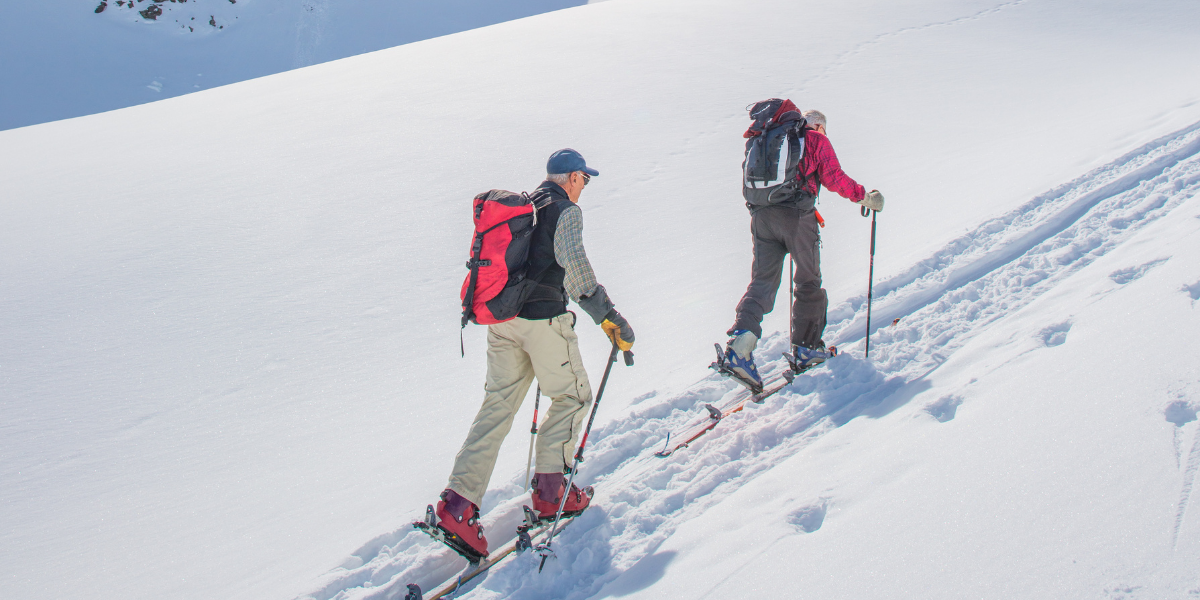
Skinning uphill is the heart of skimo. The motion is smooth and efficient — more like fast hiking than alpine skiing.
On steeper pitches, you’ll encounter kick turns, where you pivot your skis one at a time to change direction. They can feel awkward initially, but with practice, they become a natural, almost meditative movement.
On very steep or icy terrain, races may include a bootpack, where skis go on your pack and you climb in your boots using a fixed bootpack line. It breaks the rhythm but adds a fun variation.
Transitions
Transitions are one of the things that make skimo unique. They’re the moments where you switch from skinning uphill to skiing downhill and vice versa. In a race, they happen fast — professionals complete transitions in seconds — but beginners simply focus on consistency.
A smooth transition feels like a dance: skins come off, boots go into ski mode, bindings lock, and you’re ready to descend. With practice, transitions become fluid and almost fun. They’re also one of the biggest sources of free speed on race day, even for newer athletes.
The Descent
Skimo descents can be gentle, icy, bumpy, or surprisingly steep. Light race skis feel different from alpine gear, but with practice, you’ll learn to stay centered, relaxed, and responsive. The key is control, not aggression. Skimo rewards athletes who descend smoothly and cautiously rather than those who push beyond their skill level.
Training for Skimo: The Microcosm Way
Training for skimo doesn’t have to be complicated. It simply requires a blend of aerobic development, strength, skill work, and consistency. Microcosm Coaching’s philosophy aligns perfectly with what skimo demands — growth over time, a balanced plan, and daily communication with your coach as life evolves.
Building Your Aerobic Base
Most of your skimo fitness comes from aerobic training. Long, easy efforts make up the majority of a successful skimo athlete’s training. You can develop this base through running, cycling, hiking with poles, ski touring, or uphill treadmill work.
This kind of low-intensity foundation is what helps you maintain steady climbing for long periods without burning out. It also keeps you healthy and allows your body to adapt gradually throughout the season.
Intensity and Race-Specific Work
High-intensity intervals are used sparingly and thoughtfully. Uphill intervals, threshold climbs, and tempo efforts mimic the sustained power required on long skin tracks. As race season approaches, sessions become more specific: short circuits that combine skinning, bootpacking, and transitions help you prepare for the rhythm of an actual race.
Strength and Mobility
Strength training supports your climbing mechanics and protects you from overuse injuries. Skimo demands strong glutes, hips, hamstrings, quads, and core stability. A simple routine performed consistently goes a long way.
Mobility matters too — especially in the ankles and hips — to allow smooth, efficient strides.
Training If You Don’t Live Near Snow
Dryland training is extremely effective. Many skimo athletes spend months preparing without touching snow. Hiking with poles, treadmill inclines, stair machines, and transition practice at home all build real fitness and skill.
This is where Microcosm’s coaching approach shines. Our skimo athletes, working with Coach Kristin Layne or another Microcosm coach, receive dryland plans that make winter feel accessible, even far from the mountains.
Nutrition and Hydration for Skimo
Fueling skimo feels different from fueling long summer races, mostly because cold weather reduces your sense of thirst and hunger. That doesn’t mean your body needs less — in fact, cold temperatures and elevation both increase energy demands.
Eating before a race is straightforward: a familiar breakfast with a good balance of carbohydrates and a small amount of protein works well for most athletes.
During shorter events, you may not need much fuel, but during longer individual races, regular carbohydrate intake helps maintain power late into the race.
Soft flasks may freeze in the cold, so athletes often tuck bottles inside their layers or bring warm fluids in insulated containers.
Hydration matters more than you think. It’s easy to forget to drink when you’re cold, but dehydration at altitude hits hard. Small, frequent sips usually work better than waiting until you’re thirsty.
Safety and Mountain Awareness
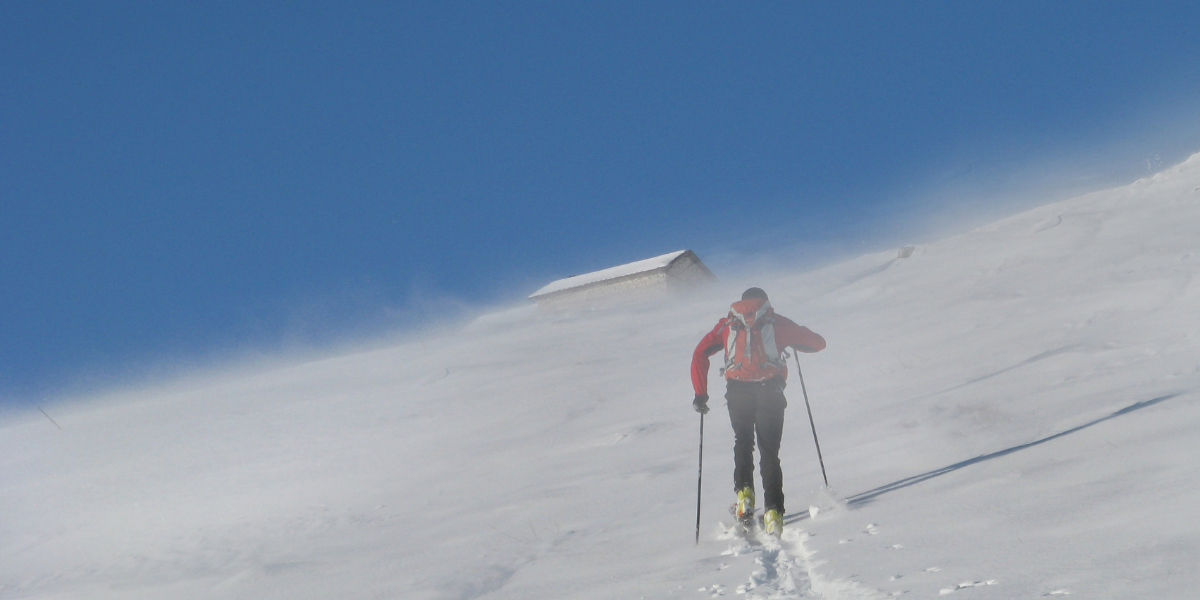
Skimo racing is generally safe, especially at resorts, but it still takes place in winter mountain environments. Weather can change quickly, snow can become icy or wind-scoured, and visibility can drop suddenly.
Races that take place outside ski resort boundaries often require avalanche safety equipment and familiarity with mountain travel. While this guide isn’t a substitute for avalanche education, a Level 1 avalanche course is an excellent idea for anyone who plans to explore beyond controlled terrain.
Above all, approach skimo with respect. The mountains are incredible teachers — patient, powerful, and honest. They reward preparation and humility.
How to Choose Your First Skimo Race
The best first race is one that feels inviting rather than overwhelming. Many athletes choose a resort-based vertical race because the format is simple: start at the bottom, climb to the top. There are no transitions or descents to navigate, and the community support is always strong.
Short individual races at local series are also great first experiences. They introduce transitions, bootpacks, and a short descent, but the environment is controlled, safe, and beginner-friendly.
Look for races that match your current comfort level with climbing and descending. Read each race’s description carefully — elevation gain, number of climbs, terrain type, and gear requirements all matter.
Don’t hesitate to reach out to the race organizers or a skimo community group; people in this sport love helping newcomers.
A High-Level 12-Week Build for Your First Skimo Race
A full skimo training plan is always individualized — built around your background, skiing skill, schedule, and overall life stress.
But a general structure can help you understand what the months leading into your first race may look like. This 12-week outline mirrors how we approach training inside Microcosm Coaching: steady growth, a focus on fundamentals, and space for your life to fit around your sport.
Think of this as a roadmap, not rigid instructions.
Weeks 1–4: Aerobic Base + Skill Foundations
Early training prioritizes the aerobic engine. You want to feel comfortable moving uphill for long periods without redlining. If you have snow access, gentle skinning sessions help build both fitness and familiarity with your gear. Without snow, treadmill hiking, trail running, stair-climbing, and strength work will do the job.
This phase also includes basic skill practice, such as transitions, kick turns on mellow slopes, and moving efficiently with poles. Early on, don’t worry about speed. Focus on rhythm and staying relaxed.
Weeks 5–8: Specificity + Progressive Intensity
As your base grows, training starts to look more like the demands of an actual skimo race. On-snow sessions become longer, and uphill intervals begin to appear — steady threshold climbs, short bursts, and mixed-modality workouts that include skinning, short bootpacks, and transitions.
Dryland athletes train similarly through incline work, circuit-style hill sessions, and more complex strength patterns. It’s also a good time to dial in gear choices, experiment with layering, and practice transitions consistently.
Weeks 9–11: Sharpening + Race Simulation
These weeks build confidence. Sessions become more precise: short race-pace efforts, terrain-specific practice, and complete “mini race loops” where you climb, transition, descend, and repeat. You learn how to fuel under exertion, how to hydrate in the cold, and how to settle your nerves around faster skiing.
This is also the phase where small details matter — how you place your skins, how you handle cold hands, how quickly you can click into your bindings. The goal isn’t perfection but familiarity.
Week 12: Taper + Race Week Logistics
You reduce volume while keeping some light intensity to stay sharp. Your body absorbs the previous weeks of training, and you arrive at race day rested rather than fatigued.
This week is also about logistics: checking your gear, reviewing the course map, and preparing your clothing and fueling plan. Most importantly, it’s about maintaining calm. A thoughtful taper allows excitement to build without letting anxiety take over.
Common Beginner Mistakes (and How to Avoid Them)
Skimo has a learning curve, and mistakes are part of the process. Most beginners run into the same handful of issues, so understanding them ahead of time can make your progression smoother.
1. Overdressing
Many new athletes start too warm and end up soaked in sweat halfway through the first climb. Once you overheat, it’s hard to recover. Begin slightly cold — your body warms quickly.
2. Ignoring Transitions
Transitions aren’t a glamorous part of the sport, but they matter. Small habits — where you store skins, how you lock your bindings, how you switch modes — can save enormous time and cut frustration.
3. Starting Too Fast
The first climb in a skimo race can feel chaotic. It’s easy to get swept up and push beyond your sustainable effort. A calmer, controlled start sets you up for a much stronger middle and finish.
4. Under-Fueling in the Cold
Cold weather suppresses hunger and thirst, but your body burns through energy at a surprising rate. Small, steady intake helps maintain power on long climbs.
5. Neglecting Skiing Fundamentals
You don’t need to be a high-level skier to enjoy skimo, but basic descending skills help tremendously. A few sessions with a coach or a patient friend can build confidence and safety on race day.
The good news? Every athlete experiences these moments. Each one is simply feedback — information you can use to adjust, learn, and grow.
How Microcosm Coaching Helps Skimo Athletes Thrive
Skimo is a sport of nuance: terrain, gear choices, transitions, layering, pacing, fueling, and psychological composure all matter. Having a coach who understands those details — and who understands you as a human — makes an enormous difference.
Microcosm Coaching takes a human-first, evidence-backed approach to skimo training. Our coaching emphasizes long-term growth, balance across life and sport, and clear communication.
You aren’t just following workouts — you’re developing skills, patterns, and awareness that support you over an entire season.
Working With Coach Kristin Layne
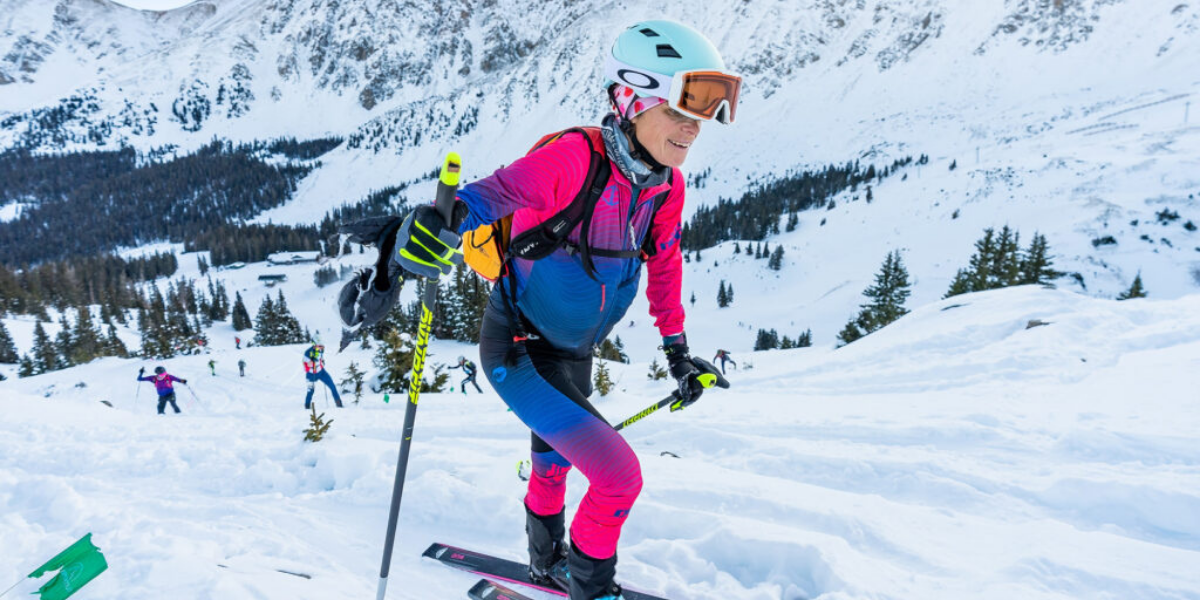
Kristin is at the heart of our skimo coaching program. As a UESCA-certified coach, ski-mountaineering national champion, trail runner, and mother of two, she brings a thoughtful, experience-rich perspective to athlete development.
Kristin understands the demands of busy lives and the realities of training through winter while navigating work, family, and mountain conditions.
Her coaching style is calm, attentive, and detail-oriented. She helps athletes learn gear choices, refine transitions, plan training around limited snow access, and develop the confidence needed to move efficiently in the mountains.
Daily Check-Ins and Life-Aware Adjustments
Skimo doesn’t happen in a laboratory. Weather, snowpack, work schedules, and fatigue all shift constantly. Our coaching model includes daily check-ins and flexible adjustments, ensuring your training fits your life rather than competing with it.
Built for the Long Game
Skimo athletes benefit most from consistency across seasons. That’s why our skimo coaching requires a one-year commitment: skill, confidence, aerobic capacity, and winter resilience take time to build. With the right structure — and a coach who meets you where you are — progress becomes steady and sustainable.
Skimo FAQs
Do I need special gear for my first skimo race?
No. Many beginners start with their regular touring setup. As you progress, lighter gear becomes helpful but not mandatory.
Can I race skimo without being a strong downhill skier?
Yes. Controlled, confident descents are more important than speed. Your skills will grow naturally with practice.
How fit do I need to be?
If you can comfortably climb for 45–60 minutes (running, hiking, or cycling), you have the foundation to begin.
What’s the best first race to try?
A resort-based vertical race is an ideal starting point because there are no transitions or descents.
Do I need avalanche training?
Not for resort races. Backcountry races sometimes require avalanche education and equipment.
How long are skimo races?
Events range from 3-minute sprints to multi-hour individual races. Beginners usually start with 30–90 minute events.
How do I train if I live far from snow?
You can use treadmill inclines, stair machines, running with poles, dryland transitions, and strength work. Many successful athletes prepare this way.
Final Thoughts: Becoming a Skimo Athlete
Skimo is more than skiing uphill and racing downhill. It’s a practice in patience, curiosity, and joy. You learn to manage the cold, move with intention, and trust your abilities in winter terrain. You discover new capacities in yourself, and you find a community that celebrates effort as much as results.
Whether your goal is completing your first vertical race or preparing for a full individual event, remember this:
Skimo is a journey built on steady growth, small skills, and consistent care for your body and mind.
At Microcosm Coaching, we believe deeply in that process. We’re here to help you approach skimo not as a test of toughness, but as an opportunity to grow — as an athlete and as a human.
If you ever want guidance, support, or a coaching relationship that understands both your goals and your life, we’d love to help you take your next step.