
January 30, 2026
The Best Downhill Marathons: Fast Times Made Easy
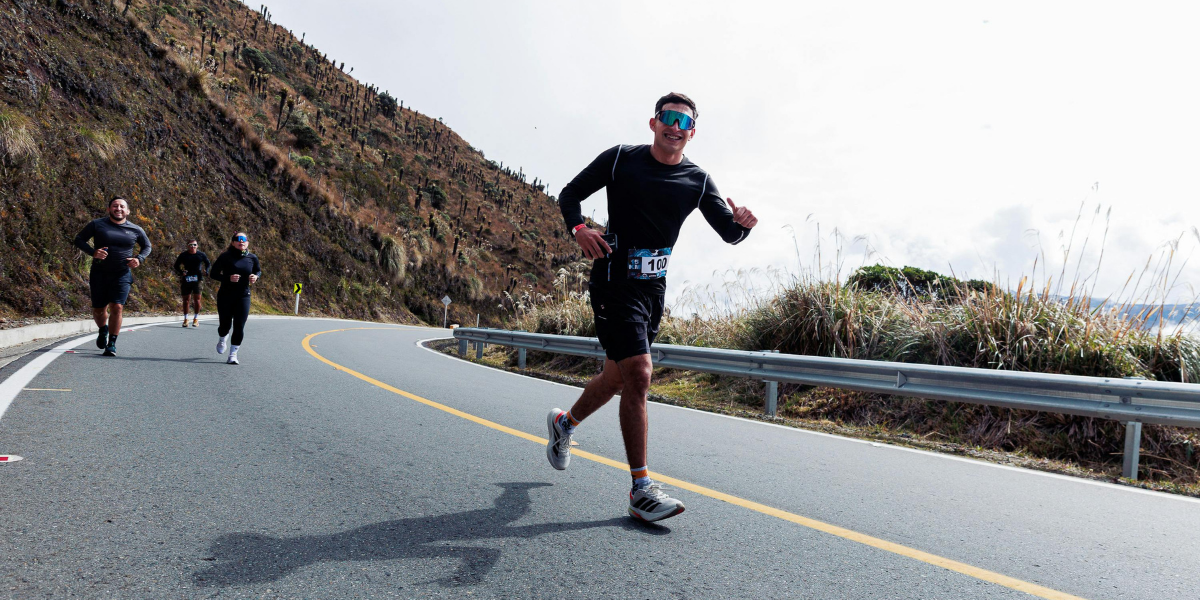
Downhill marathons have a certain kind of myth attached to them. The promise is simple: gravity helps, the course is “fast,” and your watch shows a number you’ve been chasing for years. And yes—net-downhill courses can produce faster marathon times. But “easy” is a little misleading. Downhill racing trades cardiovascular strain for muscular damage, especially in the quads. If you choose the right course, prepare your legs for the eccentric load, and pace with restraint early, downhill marathons can be a powerful path to a PR. If you don’t, you can end up with the classic late-race shutdown—heavy legs, trashed quads, and a long shuffle to the finish.
In this guide, we’ll walk through what actually makes a downhill marathon fast, which races are known for speed, how to choose the right one for your body and goals, and how to train so the downhill advantage shows up in the final 10K—not just the first 10 miles.
What Actually Makes A Downhill Marathon Fast
Most runners assume the “fastest” downhill marathon is simply the one with the biggest net drop. That’s not always true. Net drop matters, but the shape of the descent matters more.
A course can lose 4,000–6,000 feet and still feel brutal if the grade is steep early, the road surface is rough, or the decline comes in punchy waves that force you to brake and re-accelerate. Braking is the enemy of a downhill PR. When you overstride and land hard in front of your center of mass, you create higher impact forces and more muscle damage—especially in the quads.
The most PR-friendly downhill marathons tend to have a steady, runnable decline that lets you stay smooth. You’re not fighting the terrain. You’re settling into rhythm.
Other factors can make a “fast” course slow in real life. Altitude is a big one. Many downhill races start high, where the air is thinner and the morning is cold. You might feel incredible at the start and run too fast without realizing it, then pay for it once the course flattens or the accumulated damage catches up. Weather matters too. Wind, heat, and sun exposure can erase the benefit of downhill running quickly.
Surface and turns are underrated details. A gentle downhill on smooth asphalt tends to be much kinder than a rail-trail surface that’s packed gravel or uneven pavement, especially if you’re prone to soreness or knee irritation. Courses with lots of turns can also cost time because you can’t run clean tangents and you’re constantly adjusting stride.
So before you choose a race, look beyond net drop. Study the profile, the grade, the altitude change, the typical conditions, and the surface. The “best” downhill marathon is the one that matches your strengths and lets you run the last 10K with legs that still respond.

Do Downhill Marathons Count (And Should You Care)?
For most runners, “count” has two meanings: the time is valid as a marathon finish, and the time is eligible for whatever goal you care about—often Boston qualifying. In general, downhill marathons are legitimate races. You run 26.2 miles and you earn your finish. The bigger question is how your goal race or qualification system treats net-downhill courses.
If your goal is a personal record, a downhill marathon can absolutely be a great choice. If your goal is a Boston Qualifier, you’ll want to understand how your chosen race aligns with the current qualifying verification process. Even if the details shift over time, the bigger takeaway remains the same: don’t pick a race purely because it looks “easy.” Pick it because you can prepare for it and execute it well.
There’s also a cultural conversation around downhill marathons—some runners love them, some dismiss them, and some feel self-conscious about using one to chase a BQ or a big PR. Our stance is simple: your marathon journey is yours. There’s no gold star for choosing a harder course if it doesn’t align with your goals or your body. The only thing that really matters is that you train honestly, respect the demands of the terrain, and show up ready to race well.
The Best Downhill Marathons For Fast Times
Rather than pretending there’s one “best” list for everyone, we like to group downhill marathons by how they feel. That makes it easier to choose the right race for your needs.
Big-Assistance Downhills For PR Chasers
These are the courses that lean heavily into gravity. They’re popular for big time drops, but they demand specific preparation.
The REVEL series is often the first name runners bring up when talking about major net-downhill marathons. Races like Big Cottonwood, Big Bear, and Mt. Charleston are known for significant descents that can produce very fast times. They also come with a clear warning label: if you don’t prepare your quads and you go out too aggressively, the late miles can feel like a demolition derby. These are not beginner-friendly in the “show up and wing it” sense. They can be beginner-friendly in the “train smart and execute” sense—but the preparation matters.
If you’re considering a major-drop course, ask yourself: have you trained downhill running enough to handle repeated eccentric loading? Have you built strength that supports your knees and hips? Can you pace patiently when the early miles feel effortless? If the answer is yes, these races can be rocket fuel for a PR attempt.
Friendly Downhills That Still Run Fast
Some downhill marathons are fast without being extreme. The net drop is meaningful, but the grade is often more gradual and manageable, which makes them a great choice for runners who want speed without a massive quad tax.
Courses like Mesa Marathon and Tucson Marathon are often described as smoother, more “friendly” downhills where you can settle into rhythm and run strong without feeling like you’re constantly absorbing huge impact. Mountains 2 Beach is another popular option known for a long, gentle descent that many runners find more forgiving than steep mountain-to-valley courses.
These races are often a great fit for runners chasing a PR who don’t have consistent access to steep training hills, or who want a course that feels fast but doesn’t punish mistakes as brutally.
Rhythm Downhills With A Metronome Feel
Some downhill races—especially those on long, steady grades—offer a very consistent rhythm. They’re less about dramatic elevation loss and more about “set it and forget it” pacing.
These can be a great option for runners who thrive on steady cadence and controlled effort. The main watch-out is that repetition can build fatigue in a sneaky way. A consistent downhill can still wreck your legs if you overstride or run too aggressively early.
Classic Net-Downhill Courses With Real-World Cred
Some races aren’t marketed as “downhill marathons,” but they have a net drop and a history of fast times. Steamtown and St. George are examples that often come up in PR conversations. These courses can feel more like “honest fast” races—still quick, but not purely gravity-driven. For some runners, that blend is perfect: fast potential without feeling like you’re gambling everything on your quads surviving a huge descent.
How To Choose The Right Downhill Marathon For You
Choosing a downhill marathon should feel like choosing a tool, not buying a lottery ticket.
Start with your primary goal. If you’re chasing the biggest possible time drop, a major net-downhill course might be appealing. If you want a high-confidence PR attempt with less risk, a gradual downhill is often the better play. If you’re new to marathons, the “best” course may simply be the one that’s logistically smooth and lets you focus on execution.
Then match the course to your body. If you’ve had knee pain, IT band issues, or quad blow-ups in past races, steep downhills may require extra caution. If you struggle with downhill running form or don’t have hills available in training, choosing a gentler course can be a smarter way to chase speed.
Finally, consider logistics. Travel fatigue is real. Altitude can surprise you. Early starts can mean cold muscles. A “fast” course doesn’t matter if you arrive exhausted, under-fueled, and stressed.
How To Train For A Downhill Marathon So The Downhill Pays Off
Downhill marathons reward runners who prepare their muscles—not just their lungs.
The main training goal is building eccentric durability. Eccentric loading happens when your muscles lengthen under tension, like when your quads control your descent with every step downhill. That’s what creates soreness and late-race fatigue if you’re unprepared.
You don’t need to turn every run into a downhill run. You do need a progression that introduces downhill stress gradually.
If you have hills available, start with short, controlled downhill segments after easy runs. Focus on staying relaxed, keeping cadence quick, and avoiding hard braking. Over several weeks, you can extend the duration of downhill running and eventually include controlled marathon-effort segments on a descent.
If you live somewhere flat, you still have options. Strength training becomes even more important. You can also use small bridges, parking garages, gentle overpasses, or treadmill decline (if available). The goal isn’t to replicate the entire course—it’s to teach your legs to tolerate the eccentric load and maintain form when fatigue rises.
Strength work should support the downhill demands. We like simple, repeatable movements that build quad and hip resilience: split squats, step-downs, controlled lunges, and eccentric-focused work where you lower slowly and maintain good alignment. Plyometrics can help too, but they should be introduced carefully and only if you already have a strength foundation.
Form Cues That Make Downhill Running Safer And Faster
Most downhill disasters are a form problem and a pacing problem, not a fitness problem.
A few cues go a long way. Aim for a slight forward lean from the hips, not a sit-back posture. Keep your cadence quick and your steps light. Think “quiet feet.” Avoid reaching forward with your foot and slamming the brakes. The smoother you run, the less damage you create.
Downhill running should look controlled, not aggressive. When you’re doing it right, it feels like you’re flowing—not fighting.
Race-Day Strategy That Keeps Your Quads Alive
Downhill marathons tempt runners into a mistake that feels amazing at mile 3 and catastrophic at mile 23: starting too fast.
The early miles will feel easy. That’s the trap. Your effort should feel controlled and almost conservative, especially in the first 10K. You’re not trying to “bank” time. You’re trying to protect your legs.
As you settle in, your goal is smooth, steady pacing. Let the downhill help your speed without forcing it. If you race by ego early, you’ll pay with quad lock later.
Fueling matters just as much as in any marathon. The downhill doesn’t reduce your energy needs. Stick to a fueling plan you’ve practiced. Stay on top of hydration. And don’t let the excitement of fast splits distract you from the basics.
A truly successful downhill marathon is one where you still have control in the final 10K—where you can keep cadence and form instead of shuffling.
Recovery After A Downhill Marathon
Expect soreness. Downhill marathons often create deeper muscle damage than flat races, and the soreness can peak later than you expect—sometimes 24–72 hours after the race.
Plan a recovery window that includes easy movement, gentle mobility, and extra sleep. Walking helps. Easy spinning helps. Running too soon at intensity is where many runners dig a hole.
Give yourself time. A downhill marathon can be a great PR tool, but it earns respect in recovery too.
How Microcosm Coaching Helps You Chase Fast Times The Right Way
At Microcosm Coaching, we don’t sell generic marathon plans. We provide virtual 1:1 endurance coaching built around a coach-led system: personalised training aligned with your schedule and stress, daily check-ins through a shared training log, ongoing feedback and adjustments, and community accountability through Slack and community calls. If you’re training for a downhill marathon PR, our Marathon Coaching and Run Coaching support helps you choose the right race, build an eccentric durability progression, dial pacing strategy, and stay healthy through the long build. And if you’re balancing running with cycling or mountain goals, we can integrate that too—because you’re a human first, and your training should fit your life.
FAQs
How much faster can a downhill marathon be?
It varies widely. Some runners see modest improvements, while others see significant PRs. The biggest factor is whether your quads are prepared and your pacing is controlled early.
Are downhill marathons harder on your knees?
They can be, especially if you overstride and brake hard. Good form, strength training, and gradual downhill exposure reduce risk.
Should beginners run a downhill marathon?
Beginners can do well on more gradual downhill courses. Extremely steep net-downhill courses are riskier if you haven’t built strength and downhill experience.
Do downhill marathons “count”?
Yes, they are real marathons. If you’re pursuing specific qualifying standards, always confirm how the course is treated by the organization you’re qualifying for.
What’s the biggest mistake in downhill marathons?
Going out too fast because it feels easy early. The best downhill races are won in the last 10K—by the runner whose quads still work.