
November 12, 2025
What to Do After a Bicycle Crash — A Calm, Human-First Guide
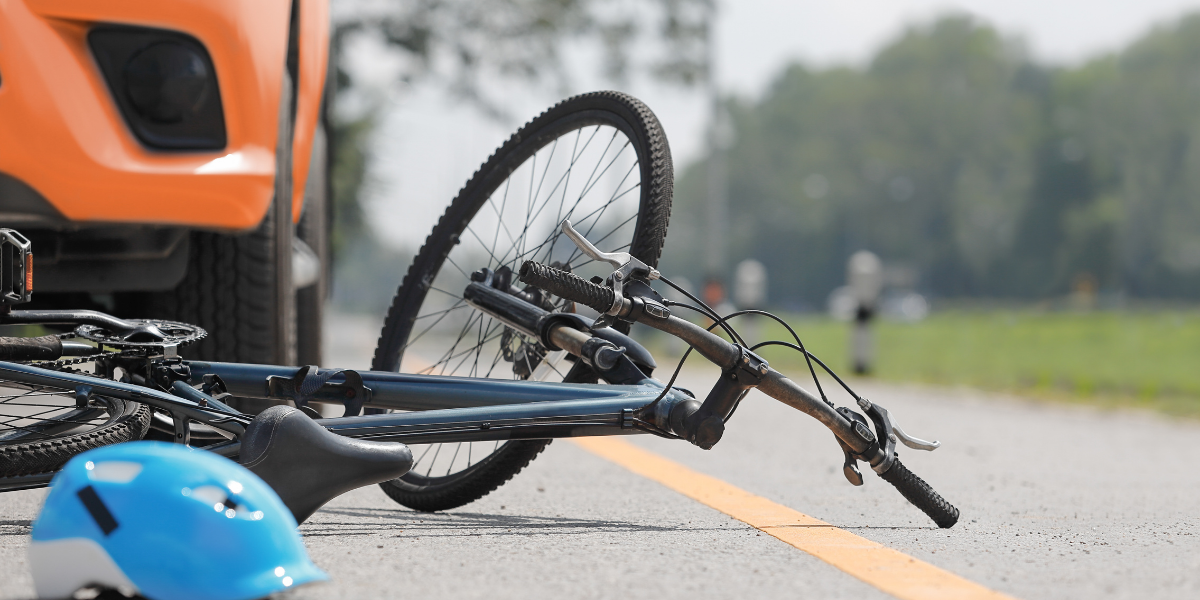
Even the most experienced cyclists know the sound: tires skidding, metal scraping pavement, the world spinning faster than you can react. One moment you’re focused on the ride, the next you’re on the ground, breath catching, adrenaline flooding your body.
Crashes happen—to beginners, seasoned riders, and everyone in between. Whether it’s a solo fall on a wet corner or a collision with a car, what you do in the minutes, hours, and days afterward matters more than you might think.
At Microcosm Coaching, we believe in a human-first approach to endurance sports. That means caring for the whole person—their body, mind, and community—through every high and low of athletic life. Crashing your bike is not just a physical event; it’s a shock to your nervous system, confidence, and sense of control. This guide is here to help you slow things down, stay safe, and take meaningful steps toward recovery and riding again.
First Seconds to Minutes — Safety, Breathing, 911
Right after a crash, adrenaline can make it hard to think clearly. Start with the basics: stop, breathe, and assess.
If you’re on the road or trail, move yourself out of harm’s way if it’s safe to do so. If you can’t move or suspect a serious injury, stay still and signal for help. Ask a bystander to call 911. Don’t try to “shake it off” or pop up immediately—many riders have worsened injuries by moving too quickly.
If someone else has crashed, approach carefully. Check that the scene is safe before entering the roadway. Speak calmly: “I’m here. Don’t move. Help is coming.”
If there’s bleeding, apply gentle, firm pressure with a clean cloth or your hand if necessary. Do not remove a helmet, even if the person is conscious. Neck and head injuries aren’t always visible.
It’s hard to remember what to do when you’re in shock, so keep a simple script in mind:
“Help me move safe. Please call 911. Please stay.”
That’s all you need to say until trained help arrives.
Concussion Red Flags — When to Stop Everything
The most important post-crash decision is often the one athletes struggle with most: whether to stop. Concussions are invisible but potentially serious. Even mild ones can affect reaction time, memory, balance, and decision-making for weeks.
You should seek medical care immediately if you—or someone you’re with—experience:
- Confusion or disorientation
- Vomiting, headache, or dizziness
- Vision changes or ringing in the ears
- Memory loss surrounding the crash
- Difficulty staying awake or unusual behavior
When in doubt, sit it out. Symptoms may not show up until later that day or even the next morning. Countless threads on cycling forums echo the same advice: “Don’t trust ‘I’m fine.’” Your brain is worth more than your next workout.
Scene Documentation — Protect Future You
Once you’re out of immediate danger, it’s time to think ahead. Documenting the scene protects you, especially if another vehicle, faulty equipment, or a road hazard was involved.
Exchange contact information with drivers or witnesses. Take photos of everything: the vehicles, license plates, the road surface, your damaged gear, your injuries, and your helmet. If police respond, ask for a report number and officer name.
If you’re too shaken to do this yourself, ask someone nearby: “Could you please take some pictures for me?”
Later, save all receipts, medical bills, and emails related to the incident. Even minor injuries can generate hidden costs—doctor visits, time off work, transportation, gear replacement. Having documentation keeps your options open if you need to file insurance or legal claims later.
After You Get Home — Medical Triage and Early Recovery
The crash may feel “over” once you’re home, but your body is still processing trauma. Adrenaline masks pain. Within 24–48 hours, bruising, swelling, and soreness often appear.
If you hit your head, black out, or can’t remember parts of the event, get evaluated by a medical professional even if you think you’re okay. Many concussions and internal injuries show subtle symptoms at first.
For scrapes, road rash, or muscle soreness, follow a simple rule: clean, rest, and observe. Clean wounds gently, keep them covered, and monitor for signs of infection. Apply ice for swelling and elevate if possible.
In the following days, keep activity light. Sleep more than usual. Hydrate well. Healing takes energy, and even a minor spill is still trauma your system needs to recover from.
Gear Safety — Checking Your Helmet and Bike
Before you even think about your next ride, inspect your equipment. Helmets are designed to absorb one impact. If it hit the ground, it’s done—replace it, even if it looks okay.
Next, take your bike to a trusted mechanic for a full inspection. Look for cracks in the frame, fork, wheels, and handlebars. Bent derailleurs or misaligned rotors can cause future accidents. Many cyclists on Reddit note that small hairline fractures or hidden carbon damage have led to catastrophic failures weeks later.
A quick safety check now can save you from another crash down the road.
Emotional Aftermath — Confidence, Anxiety, and Community
Not all injuries are visible. Even if your body heals quickly, fear can linger long after a crash. Maybe your hands shake on descents, or you brake too early in corners, or you just can’t bring yourself to ride that same route again.
This is normal. Fear after a crash is your brain doing its job—protecting you from pain. But left unchecked, it can slowly erode your joy in the sport.
Start small. Ride an easy route with a friend. Stay on familiar roads. Shift your focus from speed to feeling. Notice your surroundings, your breath, the rhythm of your pedal stroke. Over time, these small exposures rebuild trust between your body and your mind.
Community helps too. Talk about your crash with other riders, your coach, or supportive friends. You’ll be surprised how many have been there—and how willing they are to help you get back on the bike.
At Microcosm, we remind our athletes: fear isn’t weakness, it’s data. It tells us what still feels unsafe, and that gives us a roadmap for rebuilding confidence.
When to File Claims or Seek Legal Advice
If a driver, road condition, or another person contributed to your crash, you may need to file insurance or legal claims. The earlier you document, the easier this process will be.
Keep all medical records, repair receipts, and time-off documentation. Contact your insurance provider promptly. If injuries are significant or a vehicle was involved, consider speaking with a bicycle-specific attorney in your area.
The goal isn’t confrontation—it’s protection. Understanding your rights helps ensure you can focus on healing rather than unexpected bills or disputes later.
Return-to-Ride — A Gradual, Guided Approach
The biggest question most athletes ask after a crash is, “When can I ride again?”
The answer depends on your injuries, your doctor’s advice, and how you feel day to day. For mild crashes without concussion or serious injury, easy spins can begin once soreness fades and your bike checks out. Start on a trainer or quiet path, keeping the effort conversational.
If you experienced a concussion, the progression is slower and more deliberate. Most sports medicine guidelines recommend a stepwise return, with at least 24 hours symptom-free between each stage:
- Rest and light daily activity.
- Gentle aerobic movement—walking, light spinning, easy hiking.
- Moderate cycling with controlled effort.
- Sport-specific training, avoiding group rides or intense intervals.
- Full training and racing after medical clearance.
If symptoms—like dizziness, fogginess, or headache—return at any point, step back to the previous phase and rest at least 24 hours.
At Microcosm Coaching, this is where our process shines. We use daily check-ins to monitor fatigue, stress, and recovery. If your body or mood signals that something’s off, we adapt your training immediately. The goal isn’t to rush back—it’s to return stronger, smarter, and more connected to your body than before.
Preventing the Next One — Staying Proactive
Crashes are part of cycling, but many are preventable with awareness and preparation. A few reminders to keep you safer on the road or trail:
- Visibility: Wear bright clothing, use front and rear lights—even in daylight.
- Maintenance: Keep tires inflated, brakes responsive, and bolts tight.
- Skills: Practice braking and cornering in a controlled environment. Learn to scan for traffic while maintaining a straight line.
- Mindset: Ride the speed of your attention. Fatigue and distraction are silent risk factors; save your fastest efforts for clear, predictable terrain.
In our coaching community, we teach athletes to view safety as part of training, not separate from it. Your body, your bike, and your awareness are all systems that work together.
How Microcosm Coaching Supports Athletes After a Crash
When life interrupts training—a crash, an illness, a major stressor—we don’t just update your plan and move on. We pause, check in, and rebuild intentionally.
Our coaches understand that “getting back” isn’t just physical; it’s emotional, logistical, and psychological. Through daily feedback loops, we monitor how you’re adapting and communicate frequently so you’re never navigating recovery alone.
Within our community Slack group, athletes share experiences, ask questions, and support one another through the messy middle of recovery. Whether it’s adjusting your fueling strategy, modifying workouts for an injury, or simply validating how hard it is to rest, you’ll have both professional and peer support every step of the way.
When you’re ready, we help structure your return—gradually restoring load, volume, and intensity with a clear eye on long-term health. Our aim is to help you rediscover the joy of movement while learning from the experience, not fearing its repeat.
FAQs — What Cyclists Ask After a Crash
Do I need to go to the ER if I didn’t lose consciousness?
Possibly. Confusion, headache, vomiting, or vision changes can still indicate concussion or internal injury. If anything feels off, get evaluated.
How soon can I ride again?
Wait until soreness subsides and your bike is inspected. If you had a head impact, only resume after medical clearance and gradual, symptom-free progression.
Should I replace my helmet?
Yes. A helmet is designed for one impact only. Even if it looks fine, microscopic cracks can reduce protection.
What should I document at the scene?
Photos of vehicles, road, and injuries; witness contacts; police report number; and all related receipts.
Why do injuries hurt more the next day?
Adrenaline masks pain. Once it fades, inflammation sets in, revealing soreness or deeper tissue damage.
I feel anxious about riding again—is that normal?
Completely. Start small, ride with trusted friends, and be patient. Confidence grows with consistent, positive experiences.
A Final Word — From Crash to Comeback
A bicycle crash can shake more than your body—it can unsettle your confidence, your sense of control, even your identity as an athlete. But it doesn’t define you. What defines you is how you respond.
Take care of the basics first: safety, medical checks, documentation, rest. Then move forward slowly, with intention. Healing is not linear, and neither is performance. The key is compassion—for yourself, your body, and your process.
At Microcosm Coaching, we believe that the strongest athletes aren’t the ones who never fall—they’re the ones who learn to rise wisely. Crashes can become catalysts: reminders of why you ride, how resilient you are, and how community and coaching can turn setbacks into growth.
So breathe. Take your time. The road will be there when you’re ready—and when you are, we’ll be here to guide the ride back.